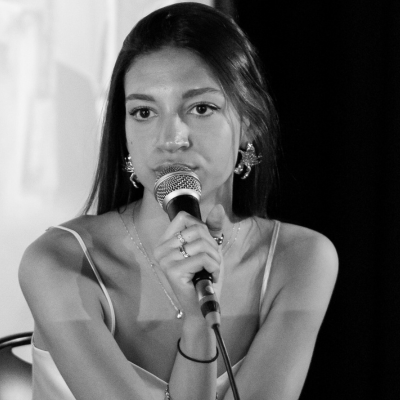
DEBATE – ENTRE O FEED E A VIDA REAL: SER VISTO, SEGUIDO E ESTAR PROTEGIDO
Num mundo onde a identidade dos mais jovens se constrói entre stories, likes e algoritmos, nunca foi tão fácil ser visto, nem tão difícil estar protegido. As redes sociais tornaram-se extensão da vida real, palco de expressão, influência e pertença. Mas também um território de exposição, pressão social e violência.
O bullying e o cyberbullying são hoje uma das faces mais preocupantes desta realidade. Em Portugal, cerca de 1 em cada 4 crianças e jovens já foi afetado por situações de bullying, com números que variam entre 5,9% e 23% dos alunos. A repetição, a intencionalidade e o desequilíbrio de poder continuam a marcar um fenómeno agora amplificado pelo digital. O cyberbullying, através de redes sociais, mensagens, imagens manipuladas, assédio anónimo ou cyberstalking, prolonga a agressão para além dos muros da escola, tornando-a permanente e muitas vezes pública.
As consequências são profundas: ansiedade, depressão, quebra de autoestima, isolamento e, em casos extremos, automutilação ou suicídio. A partilha de conteúdos íntimos, a exposição não consentida e práticas como a chamada “revenge porn” deixam marcas duradouras na autoimagem e na saúde emocional. Porque no mundo digital há conteúdos que, simplesmente, não se partilham.
Neste debate, queremos contar com a participação de João Francisco Lima, Fundador, MindMatch, Inês Marinho, Fundadora, Associação Não Partilhes, Tito de Morais Fundador de MiudosSegurosNa.Net e Cofundador de Agarrados à Net, numa conversa moderada por Catarina Silva, host do evento e locutora da Cidade FM. Quais os direitos e os deveres de quem cria conteúdos e tem milhares de seguidores? Como proteger sem censurar? Como educar para a empatia num ambiente desenhado para maximizar atenção e exposição?
Como educar para uma nova literacia digital, com mais consciência, mais responsabilidade e mais humanidade. Como sabemos que NÃO é para partilhar?
//EN
In a world where the identity of younger people is built between stories, likes and algorithms, it has never been so easy to be seen, nor so difficult to be protected. Social media have become an extension of real life, a stage for expression, influence and belonging. But also a territory of exposure, social pressure and violence.
Bullying and cyberbullying are today one of the most worrying faces of this reality. In Portugal, around 1 in 4 children and young people has already been affected by situations of bullying, with figures ranging between 5.9% and 23% of students. Repetition, intentionality and the imbalance of power continue to mark a phenomenon now amplified by the digital environment. Cyberbullying, through social networks, messages, manipulated images, anonymous harassment or cyberstalking, extends the aggression beyond the walls of the school, making it permanent and often public.
The consequences are profound: anxiety, depression, loss of self-esteem, isolation and, in extreme cases, self-harm or suicide. The sharing of intimate content, non-consensual exposure and practices such as the so-called revenge porn leave lasting marks on self-image and emotional health. Because in the digital world there are contents that simply should not be shared.
In this debate, we want to count on the participation of João Francisco Lima, Founder, MindMatch, Inês Marinho, Founder, Associação Não Partilhes, and Tito de Morais, Founder of MiudosSegurosNa.Net and Co-founder of Agarrados à Net, in a conversation moderated by Catarina Silva, host of the event and radio presenter at Cidade FM. What are the rights and duties of those who create content and have thousands of followers? How can we protect without censoring? How can we educate for empathy in an environment designed to maximise attention and exposure?
How can we educate for a new digital literacy, with more awareness, more responsibility and more humanity. How do we know that it is NOT to be shared?
BIOGRAFIA
Jovem ativista dedicada à defesa dos direitos das mulheres, meninas e sobreviventes de Violência Sexual com Base em Imagens. Fundadora da Associação #NãoPartilhes, um projeto de apoio a sobreviventes e de sensibilização para a violência sexual online, com foco na proteção do ambiente digital, na responsabilização das plataformas e na consciencialização da sociedade. Estuda Ciência Política e Relações Internacionais e participa ativamente em palestras, conferências e iniciativas a nível nacional e internacional.
//EN Young activist dedicated to defending the rights of women, girls, and survivors of Image-Based Sexual Violence. Founder of the Association #NãoPartilhes, a project that supports survivors and raises awareness about online sexual violence, with a focus on protecting the digital environment, holding platforms accountable, and promoting social awareness. She studies Political Science and International Relations and actively participates in talks, conferences, and initiatives at both national and international levels.